%2Ffit-in%2F250x250%2Fguide_websites%2F120593%2Fimages%2F1774622644900hammertime-boatartwork.png&w=1920&q=100)
/users/66f6ecdc-0106-42f2-b869-7009a1aec323/ratecard/472266530_942077737869168_1388430793964775320_n-mmcxz4qr.jpg)
%2F300x300%2Fusers%2F66f6ecdc-0106-42f2-b869-7009a1aec323%2Fratecard%2F472266530_942077737869168_1388430793964775320_n-mmcxz4qr.jpg&w=256&q=75)
%2F300x300%2Fusers%2F66f6ecdc-0106-42f2-b869-7009a1aec323%2Fimages%2Fmahi-mahi-fishing-charter-bridge-2671.jpg&w=256&q=75)
%2F300x300%2Fusers%2F66f6ecdc-0106-42f2-b869-7009a1aec323%2Fimages%2Fbridge-fl-mutton-snapper-fishing-2525.jpg&w=256&q=75)
%2F300x300%2Fusers%2F66f6ecdc-0106-42f2-b869-7009a1aec323%2Fimages%2Fsuccessful-fishing-trip-bridge-fl-2522.jpg&w=256&q=75)
%2F300x300%2Fusers%2F66f6ecdc-0106-42f2-b869-7009a1aec323%2Fimages%2Fbridge-fl-swordfish-catch-2500.jpg&w=256&q=75)
%2F300x300%2Fusers%2F66f6ecdc-0106-42f2-b869-7009a1aec323%2Fimages%2Fbridge-fl-grouper-wahoo-fishing-2406.jpg&w=256&q=75)
%2F300x300%2Fusers%2F66f6ecdc-0106-42f2-b869-7009a1aec323%2Fimages%2Fred-snapper-fishing-boat-catch-2536.jpg&w=256&q=75)
%2F300x300%2Fusers%2F66f6ecdc-0106-42f2-b869-7009a1aec323%2Fimages%2Fred-snapper-boat-deck-catch-2674.jpg&w=256&q=75)
%2F300x300%2Fusers%2F66f6ecdc-0106-42f2-b869-7009a1aec323%2Fimages%2Fbridge-fl-snapper-yellowfin-catch-2690.jpg&w=256&q=75)
%2F300x300%2Fusers%2F66f6ecdc-0106-42f2-b869-7009a1aec323%2Fimages%2Fred-snapper-bridge-florida-fishing-2620.jpg&w=256&q=75)
%2F300x300%2Fusers%2F66f6ecdc-0106-42f2-b869-7009a1aec323%2Fimages%2Fatlantic-sailfish-bridge-florida-catch-2752.jpg&w=256&q=75)
Afternoon Inshore Fishing Marathon FL Hammer Time
 Florida Keys
What you will be catching:
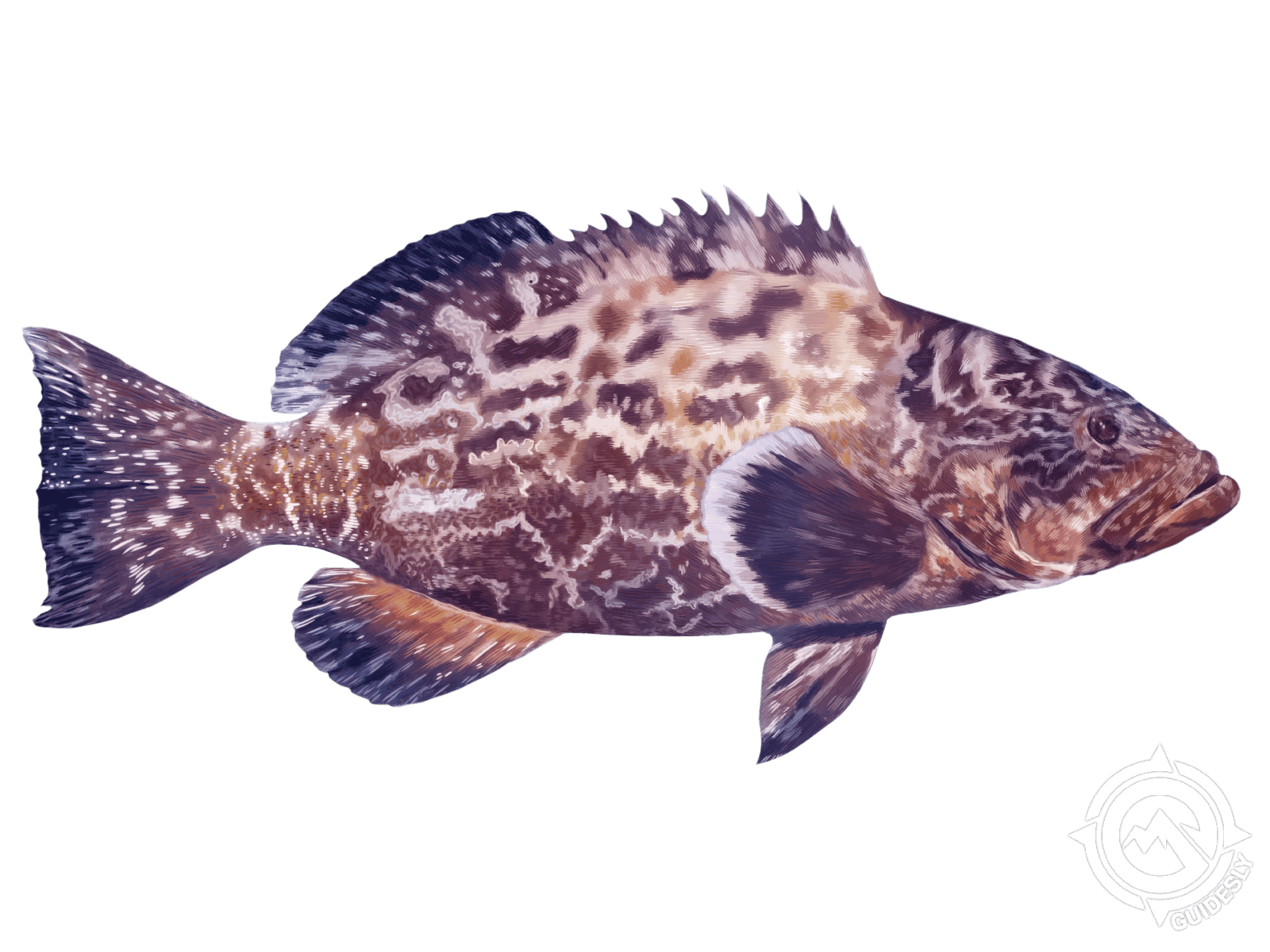
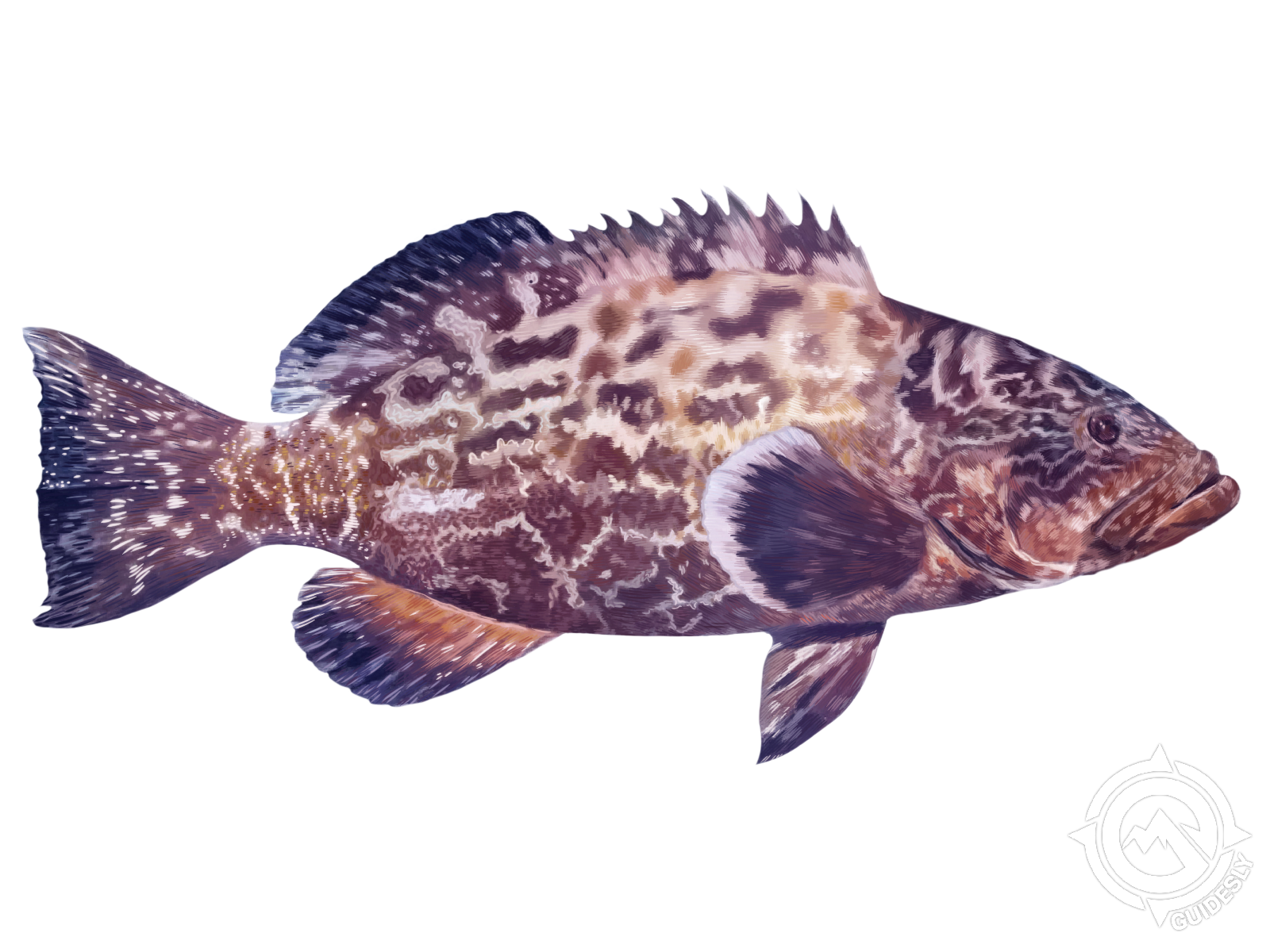 Black Grouper
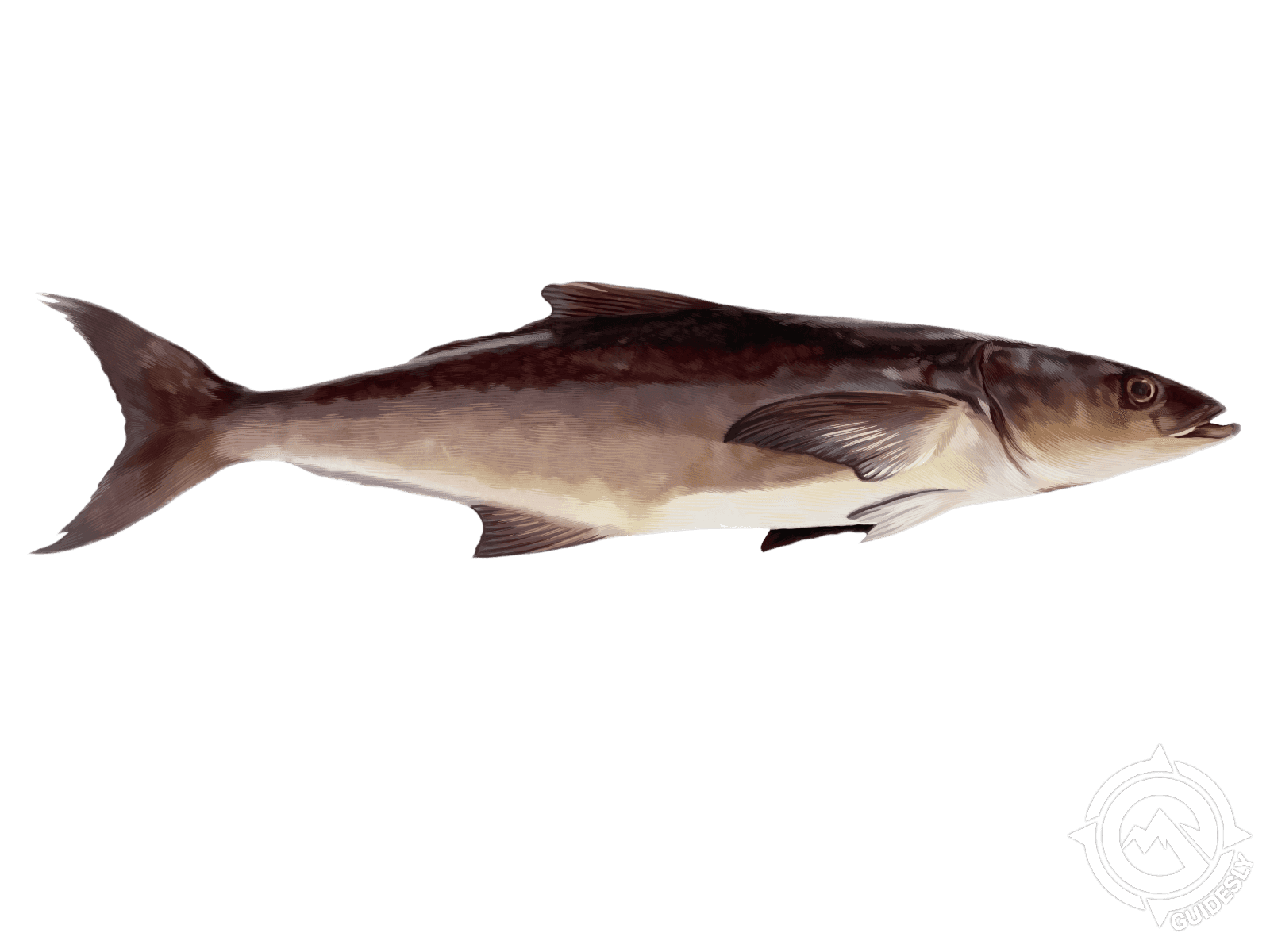
 Cobia
Cobia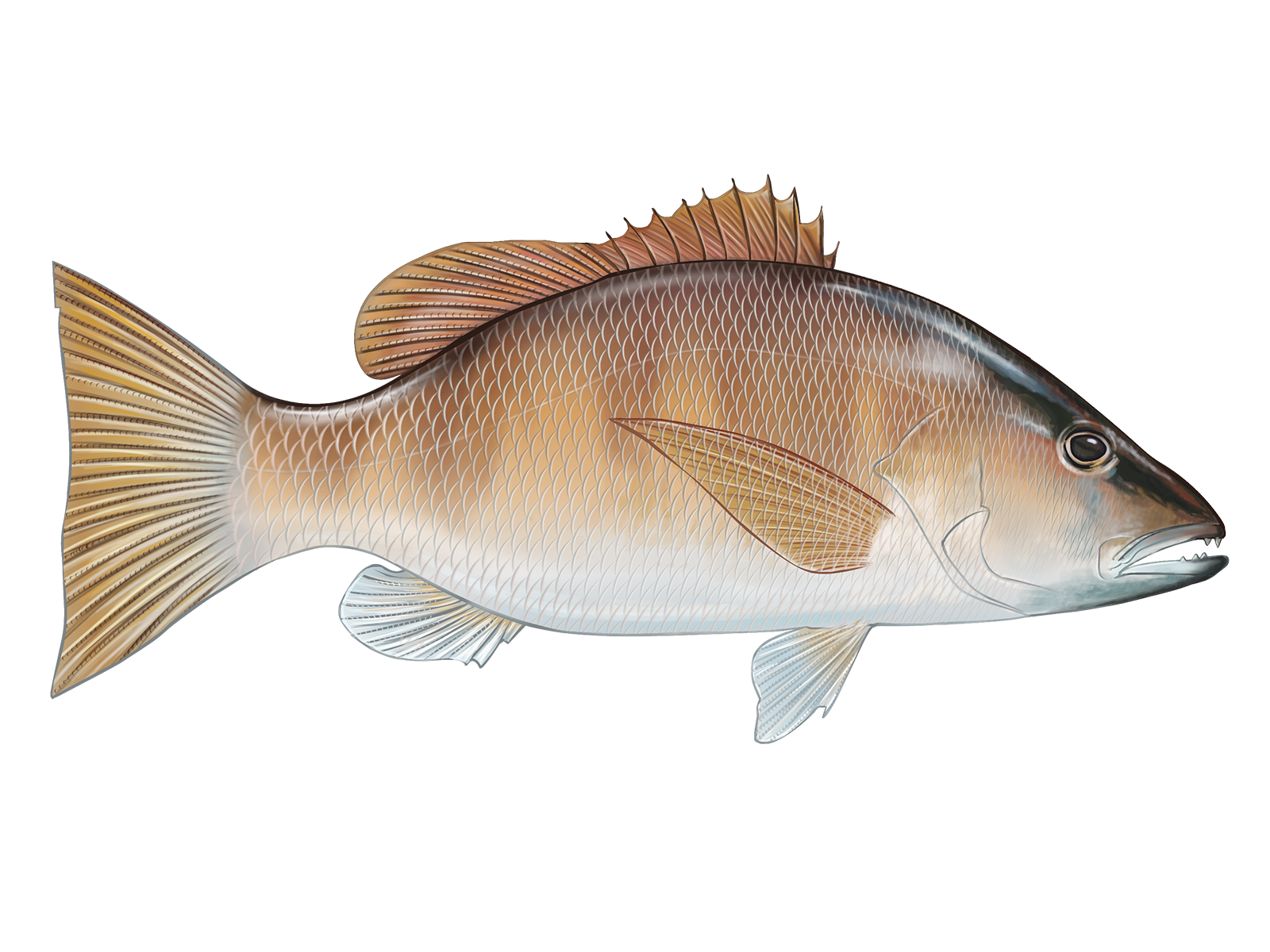 Grey Snapper
 Mahi Mahi or Common Dolphinfish
 Red Grouper
- This 4-hour afternoon fishing charter departs at noon from Marathon aboard Captain Butch's 27-foot Conch boat, perfect for up to 6 anglers. You'll target Mangrove Snapper, Yellowtail Snapper, and grouper around productive reefs and channels in the Florida Keys backcountry. The captain knows exactly where these fish feed during afternoon tides and provides all tackle, bait, and gear. Great for families and mixed skill levels since beginners get plenty of help while experienced anglers can focus on technique. The relaxed pace makes it easy to enjoy snacks, drinks, and good conversation between bites. Marathon's inshore waters offer consistent action with beautiful scenery.
Trip Pricing and Availabilities:
Half Day Afternoon Fishing Marathon FL
When you're looking for a solid afternoon on the water in Marathon, Captain Butch knows exactly where to find the fish. This 4-hour charter kicks off at noon aboard his reliable 27-foot Conch boat, giving you and up to 5 friends the perfect window to hit the productive afternoon bite. We're talking real Florida Keys fishing here – working the reefs, channels, and structure where snapper and grouper hang out during those prime feeding hours. Everything you need is already on board, from tackle to bait, so you can focus on what matters most: getting your line wet and having a good time with your crew.
What to Expect on the Water
The afternoon slot is money for a reason – fish are active, the bite is consistent, and you've got that perfect Keys vibe going. Captain Butch runs a top-rated operation that's all about putting you on fish while keeping things relaxed and fun. The 27-foot Conch boat handles the Marathon waters like a dream, whether we're drifting over patch reefs or anchoring up on productive structure. You'll be fishing bay and inshore spots that locals have been working for decades – the kind of places where yellowtail and mangrove snapper stack up thick during the right tide. Pack some snacks and cold drinks, because once we find the honey hole, you might not want to leave. This customer favorite setup works perfect for families with kids or groups of experienced anglers who want to get after it without the early morning wake-up call.
Techniques & Tackle Setup
We're running classic Keys inshore tactics that have been putting fish in the boat for generations. Think live bait fishing over structure, bottom rigs for grouper, and light tackle work for those finicky yellowtail. Captain Butch has all the gear dialed in – from circle hooks to keep everything legal and safe, to the right sinker weights for our typical depths. The afternoon tide movement is key for getting these fish fired up, and that's exactly when we'll be working the most productive spots. You'll be fishing relatively shallow water most of the time, which means you can actually see some of the structure and reef we're targeting. The boat carries everything from beginner-friendly setups to more technical rigs for guests who want to step up their game. No need to stress about licenses or gear – it's all handled so you can focus on reading the bite and working your technique.
Top Catches This Season
Grey Snapper are the bread and butter of Marathon fishing, and these mangrove snapper are absolutely everywhere if you know where to look. They hang tight to structure during the day, feeding on small crabs and shrimp that get stirred up by the tide. Most of what we're catching runs 12-16 inches, perfect eating size, and they fight way harder than you'd expect for their size. The afternoon bite is prime time because they get aggressive as the tide starts moving bait around the reef. What makes them so fun is they're smart – you'll feel that tap-tap-tap bite, and you've got to be ready to set the hook. Red Grouper are the heavyweight champions of this trip, hanging out in deeper holes and ledges where they ambush anything that swims by. These guys can push 20+ pounds and will test your drag system for sure. They're most active during moving water, which is exactly what we get on these afternoon trips. The fight is all about keeping them off the bottom – once they get back to their hole, game over. Black Grouper are the bonus fish that make your day, typically bigger than reds and twice as stubborn about coming up. They love the same structure but tend to hold in the gnarliest spots where most people can't get a bait. Mahi Mahi show up when conditions line up right, usually relating to floating debris or weed lines that drift into our area. These fish are pure excitement – jumping, running, and putting on a show that'll have everyone on the boat grabbing their phones. Cobia are the wild card species that can show up anytime, cruising the flats or following rays around looking for an easy meal. When one shows up, everything else stops because these fish are strong, smart, and absolutely delicious on the table.
Time to Book Your Spot
This world-class afternoon fishing experience gives you everything the Florida Keys are famous for – consistent action, beautiful water, and the kind of memories that keep you coming back. Captain Butch has built his reputation on putting guests on fish while making sure everyone has a great time, whether you're 8 or 80 years old. The 4-hour window hits that sweet spot where you get plenty of fishing time without burning the whole day, and starting at noon means you can sleep in or grab breakfast in town before heading out. With everything provided and a maximum of 6 guests, you're getting personal attention and prime fishing without the crowds. This trending trip fills up fast during peak season, so don't wait around if you want to get in on some of the best inshore action Marathon has to offer.
Learn more about the species
Black Grouper
These powerful ambush predators are the kings of our deeper reefs and wrecks around Marathon. Most run 10-30 pounds, with olive-gray bodies covered in dark rectangular blotches that help them blend with the rocky bottom. They hang in 60-200 feet around ledges and structure, waiting to inhale anything that swims by. Fall through spring offers the best shots before spawning season shuts things down. What makes them special is the incredible strength - they'll test every bit of your tackle trying to get back to the rocks. The meat is mild and firm, making excellent table fare. Black grouper don't nibble - when they eat, they suck the whole bait in at once. My advice: the second you feel that thump, start cranking hard. Give them any slack and they'll dive straight down and cut you off in the rocks.
Cobia
These dark brown bruisers are some of the most underrated fighters in our waters. They cruise alone around reefs, wrecks, and channel markers, often mistaken for sharks with their single dorsal fin. Most run 20-40 pounds around Marathon, and they're strong as bulls once hooked. Spring migration and summer months are prime time when they move through our area looking for crabs and smaller fish. What guests love is the raw power - they'll test your drag and make long runs toward structure. The meat is outstanding too, firm and mild like a cross between grouper and cobia. Since they're usually found by sight fishing, we often spot them cruising just under the surface near markers or floating debris. Here's my tip: when you see one, make your cast count - they're spooky and you might only get one shot.
Grey Snapper
Also called Mangrove Snapper, these smart fish hang around docks, reefs, and mangrove structure in 10-40 feet of water. They're opportunistic feeders that typically run 1-3 pounds inshore, though bigger ones lurk in deeper water. Grey snapper are active year-round in the Keys, but afternoon tides often get them feeding heavily on our productive channels and ledges. What makes them special is their wariness - they're one of the smarter fish we target, making each hookup rewarding. Plus, they're absolutely delicious with firm, white, flaky meat that's perfect for the table. My tip: once you feel that subtle tap, don't jerk the rod. Let them take it and slowly lift into them, or they'll drop the bait and disappear back into the structure.
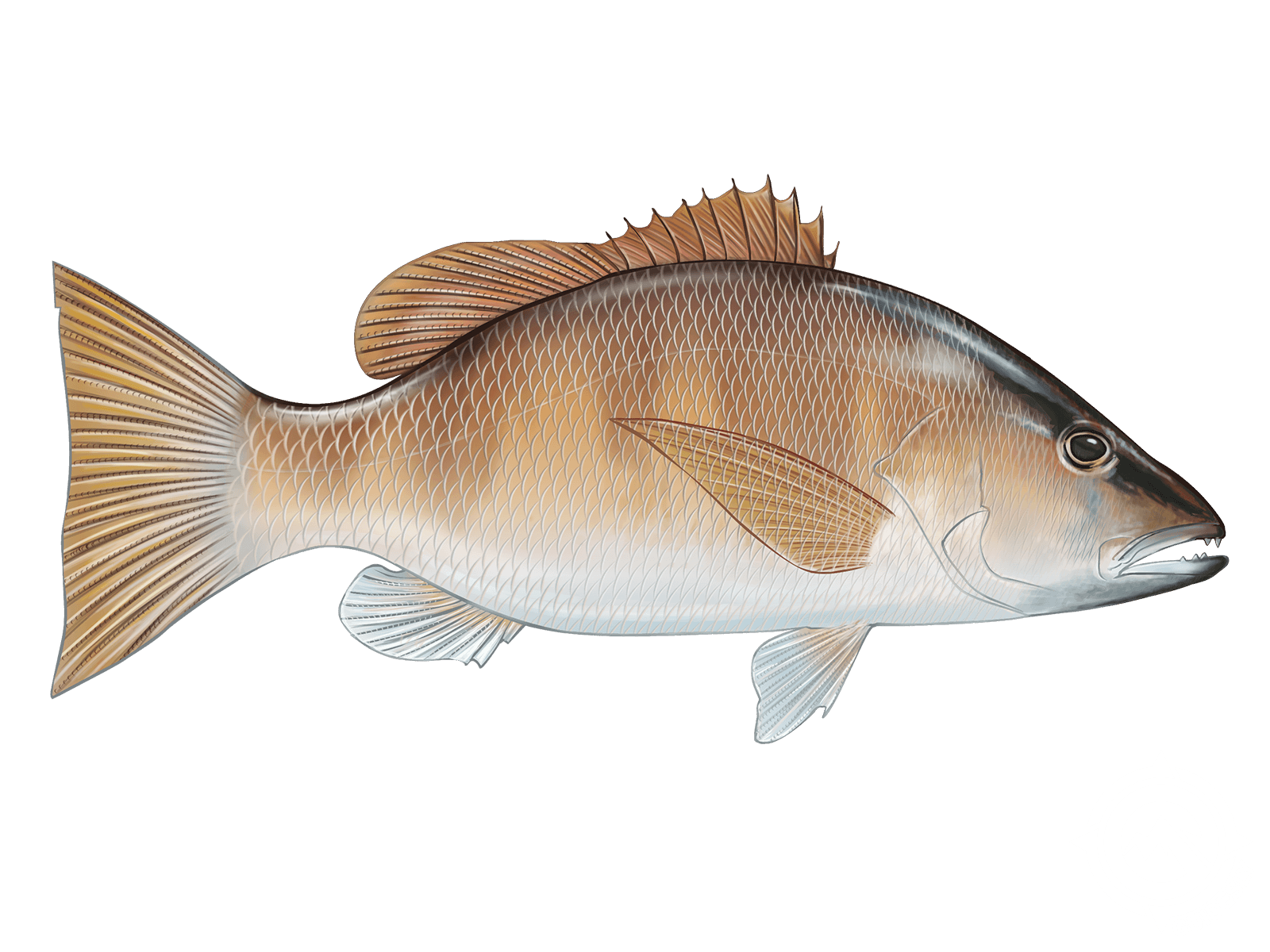
Mahi Mahi or Common Dolphinfish
These colorful speedsters are a treat when they show up around floating debris or weedlines near Marathon. They typically run 15-30 pounds and put on quite a show with their golden sides and electric blue-green backs - plus they change colors like a light show when brought aboard. We find them in warmer months around structure or current breaks, usually in 100+ feet of water. What makes them special is the aerial battle - they'll jump and run like crazy once hooked. The meat is mild, firm, and perfect on the grill. Since they're fast-growing and spawn frequently, they're a sustainable choice too. When you hook one, keep steady pressure but don't horse them - they have soft mouths and will throw the hook if you're too aggressive. Also, where there's one mahi, there's usually more nearby.
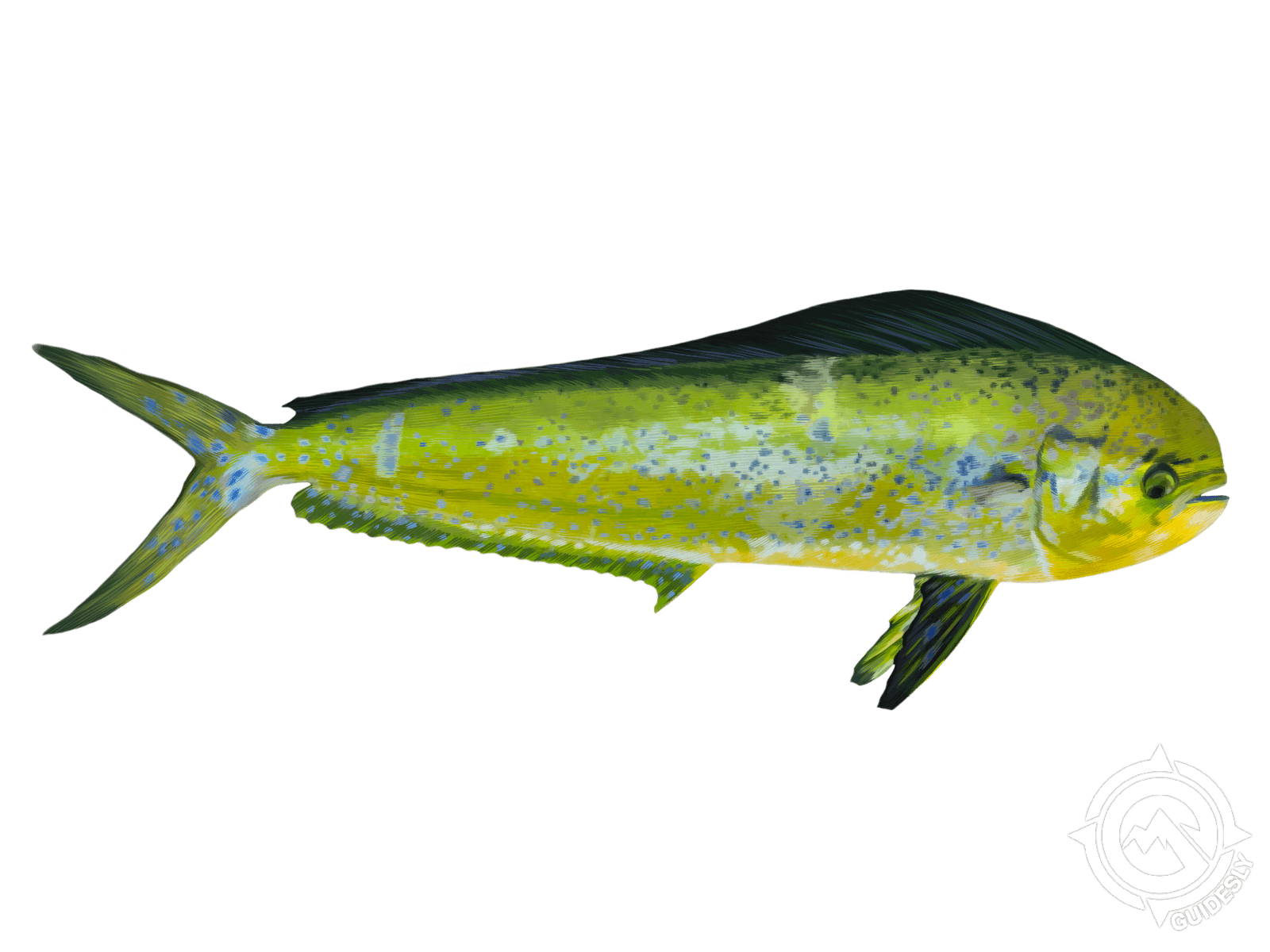
Red Grouper
These rusty-red bottom dwellers are some of the toughest fighters you'll encounter on our reefs and wrecks. Most run 5-10 pounds, but we see bigger ones pushing 20+ pounds in deeper water around Marathon. They hang out in 30-100 feet, loving rocky ledges and structure where they ambush crabs and smaller fish. Spring through fall offers the best action when they're more active before spawning season closes in winter. What guests love is the hard pull - once hooked, they dive straight for the rocks trying to break you off. The meat is fantastic too, firm and sweet with that classic grouper taste. Here's the key: when you feel that thump, crank hard immediately. Don't give them a chance to get back to the bottom or you'll lose them in the rocks every time.
About the 27 ft Conch
%2F%2Fusers%2F66f6ecdc-0106-42f2-b869-7009a1aec323%2Fvehicle_picture%2F638388496_1325041372977992_5411588017369761640_n-picsart-aiimageenhancer-mmcvzcg3.jpg&w=1920&q=75)
Vehicle Guest Capacity: 6
Manufacturer Name: Yamaha
Maximum Cruising Speed: 50
Number of Engines: 2
Horsepower per Engine: 300