%2Ffit-in%2F250x250%2Fguide_websites%2F120593%2Fimages%2F1774622644900hammertime-boatartwork.png&w=1920&q=100)
/users/66f6ecdc-0106-42f2-b869-7009a1aec323/ratecard/3fd17a9818ca8003eb7a470bfd613e08-picsart-aiimageenhancer-mmcwzv45.jpeg)
%2F300x300%2Fusers%2F66f6ecdc-0106-42f2-b869-7009a1aec323%2Fratecard%2F3fd17a9818ca8003eb7a470bfd613e08-picsart-aiimageenhancer-mmcwzv45.jpeg&w=256&q=75)
%2F300x300%2Fusers%2F66f6ecdc-0106-42f2-b869-7009a1aec323%2Fimages%2Fbridge-fl-fishing-boat-deck-2646.jpeg&w=256&q=75)
%2F300x300%2Fusers%2F66f6ecdc-0106-42f2-b869-7009a1aec323%2Fimages%2Fcast-net-fishing-bridge-florida-2563.jpg&w=256&q=75)
%2F300x300%2Fusers%2F66f6ecdc-0106-42f2-b869-7009a1aec323%2Fimages%2Fhammer-time-marathon-fishing-charter-2392.png&w=256&q=75)
%2F300x300%2Fusers%2F66f6ecdc-0106-42f2-b869-7009a1aec323%2Fimages%2Fbridge-fl-blackfin-tuna-catch-2651.jpeg&w=256&q=75)
%2F300x300%2Fusers%2F66f6ecdc-0106-42f2-b869-7009a1aec323%2Fimages%2Fbridge-fl-cero-mackerel-fishing-2606.jpeg&w=256&q=75)
%2F300x300%2Fusers%2F66f6ecdc-0106-42f2-b869-7009a1aec323%2Fimages%2Fflorida-fishing-charter-catch-2620.jpeg&w=256&q=75)
%2F300x300%2Fusers%2F66f6ecdc-0106-42f2-b869-7009a1aec323%2Fimages%2Ffishing-boat-bridge-fl-marina-2489.png&w=256&q=75)
%2F300x300%2Fusers%2F66f6ecdc-0106-42f2-b869-7009a1aec323%2Fimages%2Fflorida-fishing-boat-marina-bridge-2597.jpeg&w=256&q=75)
%2F300x300%2Fusers%2F66f6ecdc-0106-42f2-b869-7009a1aec323%2Fimages%2Fflorida-fishing-boat-marina-bridge-2613.jpeg&w=256&q=75)
%2F300x300%2Fusers%2F66f6ecdc-0106-42f2-b869-7009a1aec323%2Fimages%2Fbridge-fl-fishing-boat-action-2491.png&w=256&q=75)
Morning Tarpon Charter Marathon FL Hammer Time
 Florida Keys
What you will be catching:
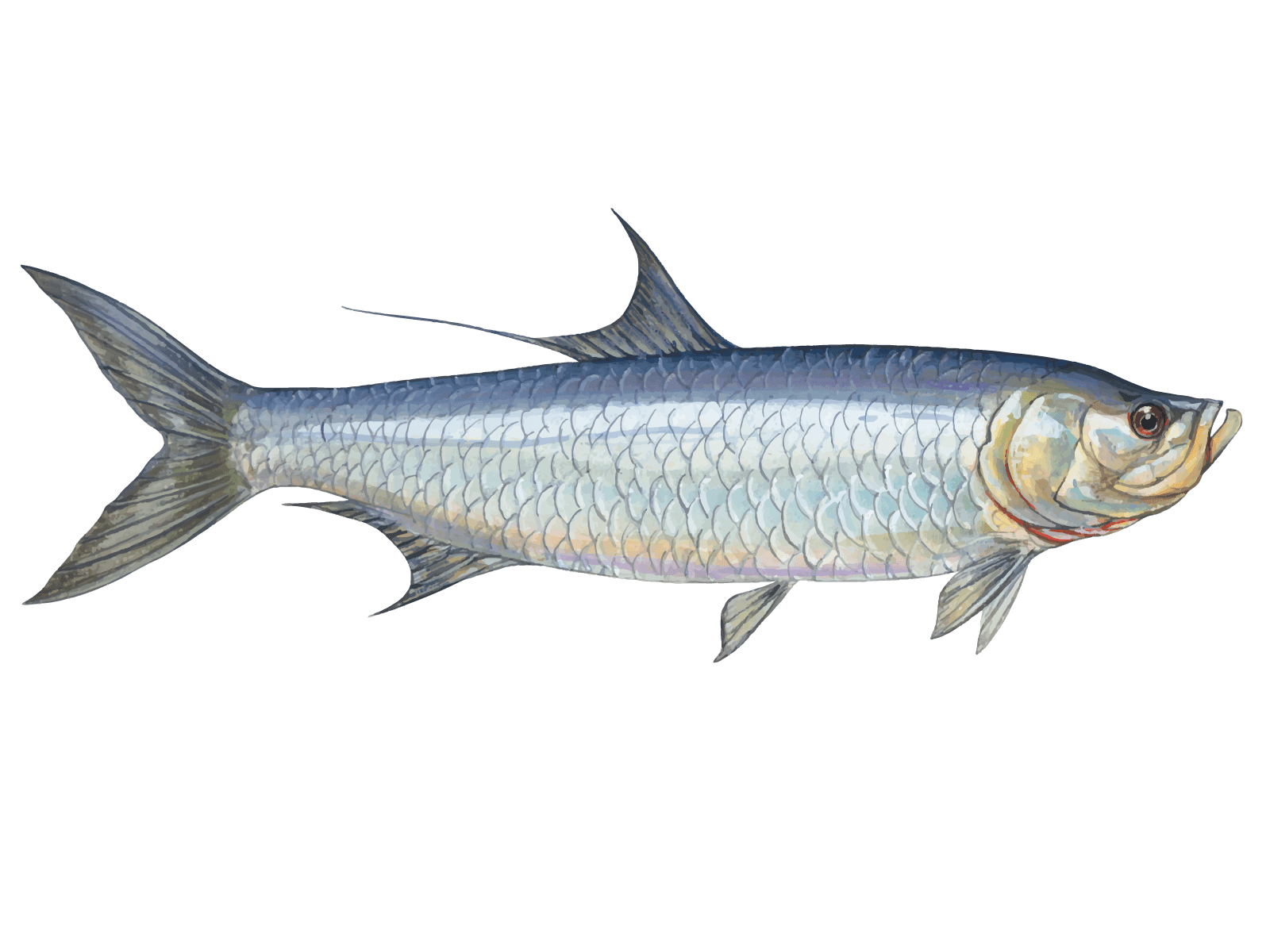
 Tarpon
- This 4-hour morning tarpon charter puts you right in the heart of Marathon's legendary tarpon migration from March through June. Captain Butch knows these waters inside and out, positioning your group of up to 4 anglers along the productive tidal flows where the Silver Kings travel through the Keys. You'll fish from either a 23-foot Albury Brothers or 27-foot Conch, using quality tackle while learning the specific techniques needed to hook and fight these powerful fish. The early 6 AM start gets you on the water when tarpon are most active, and depending on conditions, evening trips might also be available. It's a focused fishing experience designed for anglers who want to target one of the most respected game fish in Florida waters with a local guide who understands their patterns.
Trip Pricing and Availabilities:
Half Day Morning Tarpon Fishing Marathon FL
When tarpon season hits Marathon in the Florida Keys, there's nothing quite like being out there at first light with Captain Butch aboard one of his trusted boats. This 4-hour morning charter kicks off at 6 AM, giving you and up to three buddies the best shot at hooking into the legendary Silver King. Running either the 23-foot Albury Brothers or the 27 Conch, Captain Butch knows exactly where these massive fish move through the flats and channels around Marathon. From March through June, the tarpon migration is in full swing, and these waters become a highway for some of the most respected game fish in Florida. You'll be fishing prime tides with quality tackle while learning the techniques that separate successful tarpon anglers from everyone else.
What to Expect on the Water
Your morning starts early, but trust me, it's worth every minute of lost sleep. Captain Butch has this timing down to a science - the boat's ready, tackle's rigged, and you're heading out while most folks are still hitting the snooze button. The beauty of Marathon is you're not burning hours getting to the fishing grounds. Within minutes, you're positioning over productive water where tarpon funnel through on their migration route. The captain reads these tides like a roadmap, knowing exactly when and where to set up for the best action. You'll be using live bait most of the time, though artificial lures definitely have their moments when the fish are rolling and showing themselves. The boat setup is perfect for tarpon fishing - plenty of room to fight a big fish and all the gear you need to handle these powerful jumpers. Captain Butch keeps things relaxed but focused, sharing local knowledge about reading water, timing your hookset, and most importantly, how to handle that first explosive jump that'll get your heart racing.
Techniques and Tackle
Tarpon fishing isn't like going after snapper or grouper - these fish demand respect and proper technique. Captain Butch runs quality spinning and conventional tackle matched to the size of fish we're targeting. You'll typically be fishing with 30-40 pound test, though don't let that fool you into thinking it's overkill. A 100-pound tarpon will test every inch of that line and your drag system. The key is learning to let them jump - and they will jump, sometimes six or seven times in a single fight. The captain will coach you through keeping a tight line without pulling too hard, because tarpon have incredibly hard mouths and hooks can pull free if you're not careful. Live crabs, pilchards, and mullet are the go-to baits, presented either under a cork or free-lined depending on conditions. When fish are rolling on the surface, Captain Butch might switch to artificials like DOA shrimp or jigs worked slowly through the water column. The boat positioning is crucial - staying just far enough away to not spook the fish but close enough for accurate casts. You'll learn to read tarpon behavior, spotting them as they roll and understanding their feeding patterns in different tide phases.
Top Catches This Season
Marathon's tarpon fishery consistently produces world-class action during peak migration months. Captain Butch's local knowledge really shines when it comes to finding these fish as conditions change throughout the season. Early March often sees the first waves of fish moving through, usually smaller tarpon in the 40-80 pound range that are perfect for learning proper technique. As the season progresses into April and May, the real giants show up - fish pushing 150-200 pounds that will absolutely test your endurance and fighting skills. The beauty of fishing with an experienced captain is adapting to what the fish are doing each day. Some mornings they're laid up in deeper channels, other days they're rolling on shallow flats. June typically brings consistent action as the peak migration passes through, though the fish can be more selective about baits and presentations. What makes this fishery special is the variety of structure and water depths around Marathon. You might start the morning fishing a deep channel edge and finish working a shallow flat, following the fish as they move with the tide.
Species You'll Want to Hook
Tarpon are called the Silver King for good reason, and Marathon's population during migration season is absolutely world-class. These prehistoric fish can live over 80 years and grow to massive proportions, with the biggest specimens in these waters pushing 200 pounds or more. What makes tarpon so special isn't just their size - it's their fighting ability and spectacular aerial displays. When you hook one, that first jump happens so fast it'll catch you off guard every time. They launch themselves completely out of the water, gill plates flared, trying to throw the hook with violent head shakes. The fight that follows can last anywhere from 20 minutes to over an hour, depending on the fish's size and your technique. Tarpon have incredible stamina and will make long, powerful runs that test your drag and your patience. They're catch-and-release fish, which means you're fishing for the experience, not the dinner table. The spawning behavior brings them through Marathon's waters in predictable patterns, typically moving with tide changes and following bait concentrations. What really gets anglers hooked on tarpon fishing is their intelligence - these aren't mindless eating machines. They can be incredibly selective, requiring precise presentations and quality bait to get a bite. When everything comes together and you land one of these giants, you'll understand why tarpon fishing becomes an obsession for so many anglers.
Time to Book Your Spot
Marathon's tarpon season is relatively short but incredibly productive, making this one of those trips you don't want to put off. Captain Butch's morning charters fill up fast during peak months, especially when word gets out about hot fishing. The 4-hour format is perfect for getting a solid tarpon experience without committing to a full day, though many anglers find themselves wanting to book again after their first trip. The early start time means you're off the water before the afternoon heat and wind pick up, plus you've got the rest of your
Learn more about the species
Tarpon
The "Silver King" is what we're really after on these morning trips. Tarpon average 80-100 pounds around Marathon, but we see plenty that push 150+ pounds during peak migration from March through June. These prehistoric giants love the deeper channels and basin edges where they follow baitfish through on the tides. What makes tarpon special isn't just their size - it's those powerful jumps that'll have you holding on tight. They can launch 6-8 feet out of the water and peel line like nothing else. We practice catch and release since they're slow-growing fish that can live 50+ years. The key to hooking up is getting your bait positioned right in their travel lanes during tide changes. Keep that rod tip down when they jump - that's when most people lose them. It's pure sport fishing at its finest.
About the 23 ft Albury Brothers Boat
%2F%2Fusers%2F66f6ecdc-0106-42f2-b869-7009a1aec323%2Fvehicle_picture%2F139193743_103188025091481_4516498617786382754_n-mmcw2wnm.jpg&w=1920&q=75)
Vehicle Guest Capacity: 4
Manufacturer Name: Mercury
Maximum Cruising Speed: 40
Number of Engines: 1
Horsepower per Engine: 300