%2Ffit-in%2F250x250%2Fguide_websites%2F120593%2Fimages%2F1774622644900hammertime-boatartwork.png&w=1920&q=100)
/users/66f6ecdc-0106-42f2-b869-7009a1aec323/ratecard/snapinsta.to_623014484_18078484049357473_2254374126196209660_n-mmcy6tat.jpg)
%2F300x300%2Fusers%2F66f6ecdc-0106-42f2-b869-7009a1aec323%2Fratecard%2Fsnapinsta.to_623014484_18078484049357473_2254374126196209660_n-mmcy6tat.jpg&w=256&q=75)
%2F300x300%2Fusers%2F66f6ecdc-0106-42f2-b869-7009a1aec323%2Fimages%2Fbridge-fl-fishing-boat-deck-2646.jpeg&w=256&q=75)
%2F300x300%2Fusers%2F66f6ecdc-0106-42f2-b869-7009a1aec323%2Fimages%2Fcast-net-fishing-bridge-florida-2563.jpg&w=256&q=75)
%2F300x300%2Fusers%2F66f6ecdc-0106-42f2-b869-7009a1aec323%2Fimages%2Fhammer-time-marathon-fishing-charter-2392.png&w=256&q=75)
%2F300x300%2Fusers%2F66f6ecdc-0106-42f2-b869-7009a1aec323%2Fimages%2Fbridge-fl-blackfin-tuna-catch-2651.jpeg&w=256&q=75)
%2F300x300%2Fusers%2F66f6ecdc-0106-42f2-b869-7009a1aec323%2Fimages%2Fbridge-fl-cero-mackerel-fishing-2606.jpeg&w=256&q=75)
%2F300x300%2Fusers%2F66f6ecdc-0106-42f2-b869-7009a1aec323%2Fimages%2Fflorida-fishing-charter-catch-2620.jpeg&w=256&q=75)
%2F300x300%2Fusers%2F66f6ecdc-0106-42f2-b869-7009a1aec323%2Fimages%2Ffishing-boat-bridge-fl-marina-2489.png&w=256&q=75)
%2F300x300%2Fusers%2F66f6ecdc-0106-42f2-b869-7009a1aec323%2Fimages%2Fflorida-fishing-boat-marina-bridge-2597.jpeg&w=256&q=75)
%2F300x300%2Fusers%2F66f6ecdc-0106-42f2-b869-7009a1aec323%2Fimages%2Fflorida-fishing-boat-marina-bridge-2613.jpeg&w=256&q=75)
%2F300x300%2Fusers%2F66f6ecdc-0106-42f2-b869-7009a1aec323%2Fimages%2Fbridge-fl-fishing-boat-action-2491.png&w=256&q=75)
Marathon FL Full Day Inshore Fishing Charter
 Florida Keys
What you will be catching:
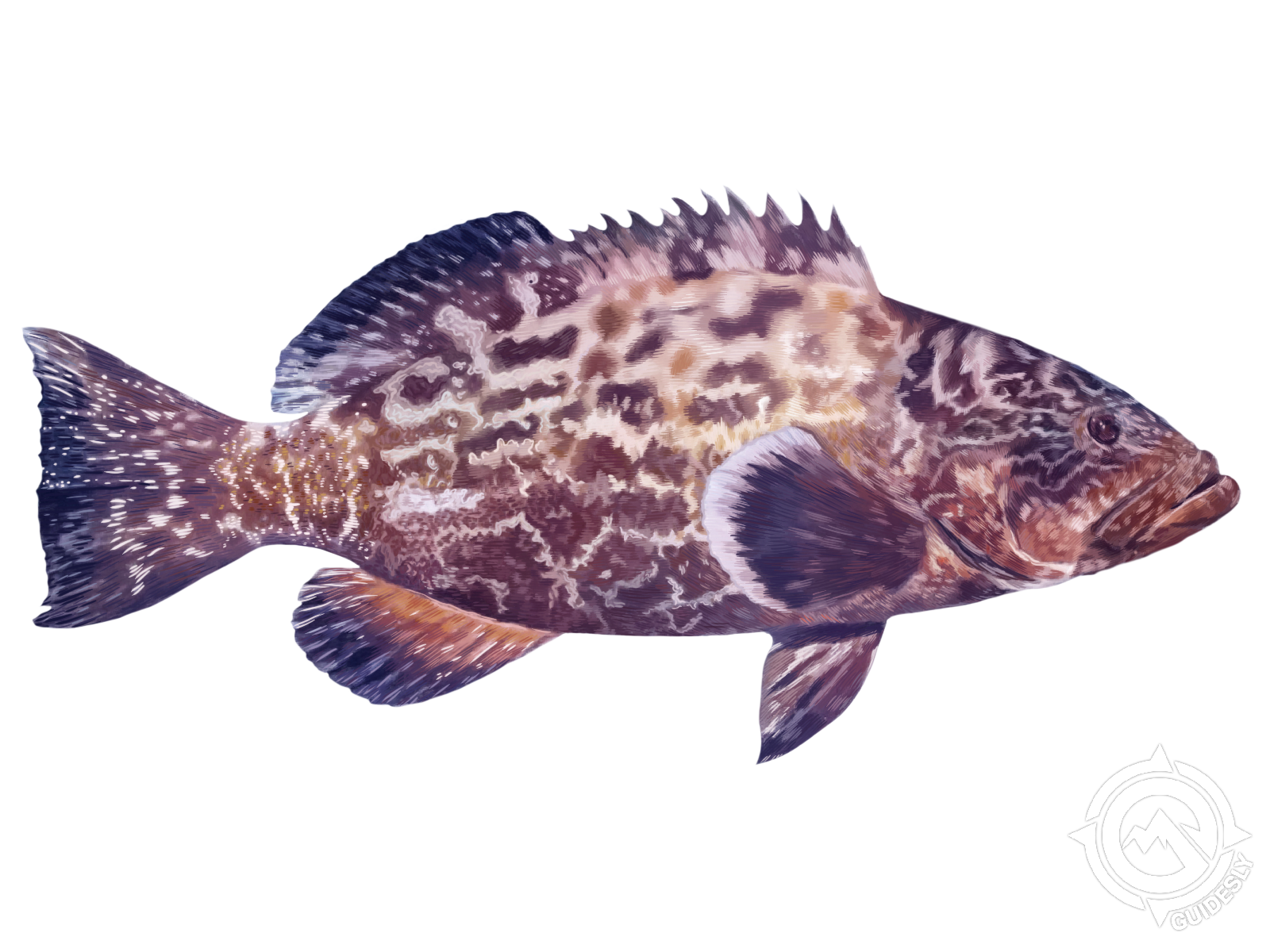 Black Grouper
 Cobia
Cobia Mahi Mahi or Common Dolphinfish
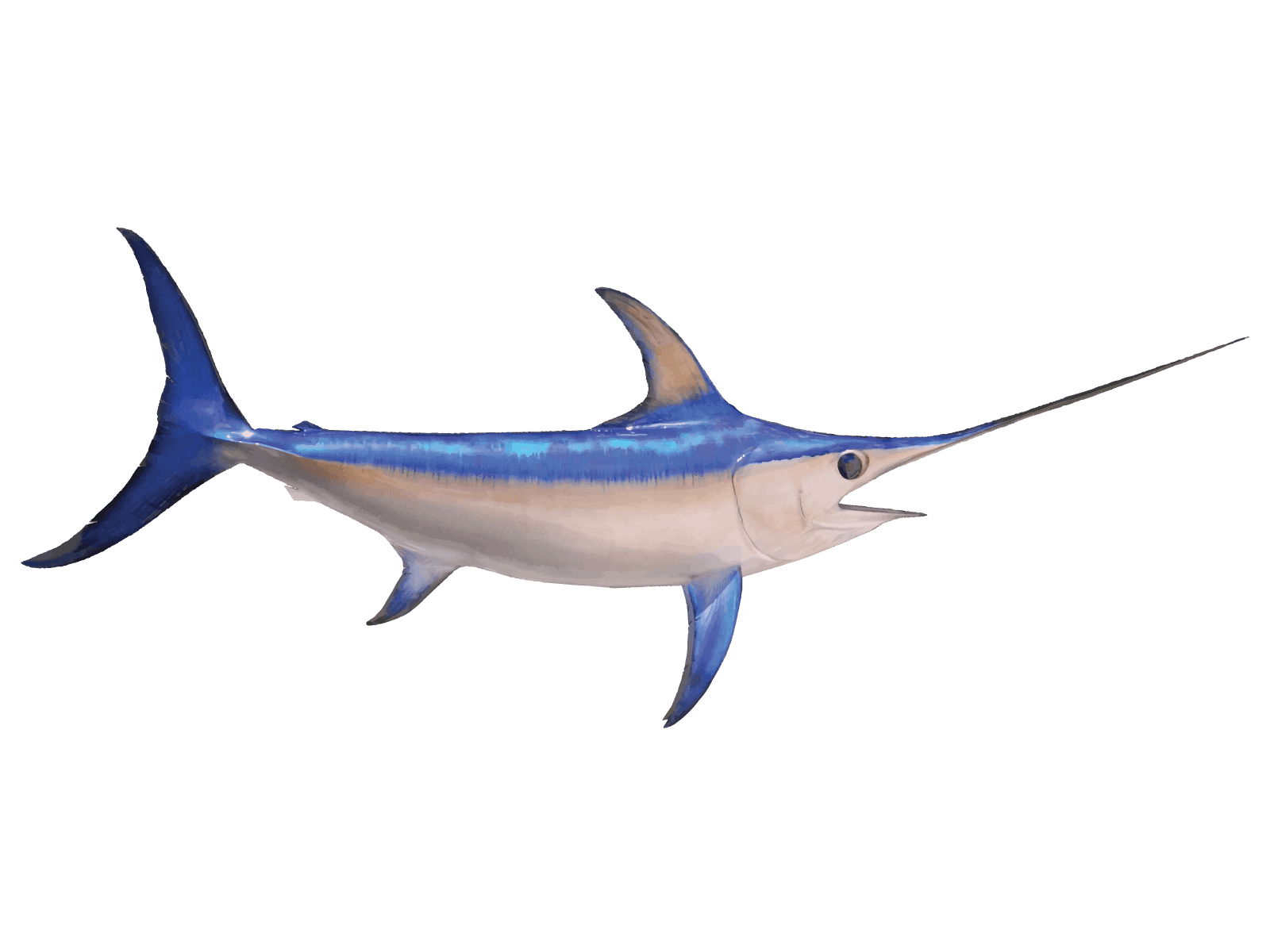
 Swordfish
- This full day fishing adventure in Marathon takes you 6-8 hours offshore aboard Captain Butch's 27-foot Conch boat. Starting at 8 AM, you'll head out to deeper waters where Mahi Mahi, Tuna, and Sailfish are actively feeding. The longer trip time means we can reach the best fishing spots and adapt to what's biting that day. Depending on the season, we might also work the bay areas targeting Cobia and Grouper around local reefs. Captain Butch knows these waters inside and out, so he'll put you on whatever species are most active during your visit. All tackle and bait are provided, making this perfect for seasoned anglers and families alike. The boat handles up to 6 people comfortably, giving everyone plenty of room to fish.
Trip Pricing and Availabilities:
Full Day Fishing Trips Marathon FL
When you're ready to get serious about offshore fishing in the Florida Keys, Captain Butch and the crew at Hammer Time Adventures know exactly where to take you. This isn't your typical half-day trip around the harbor – we're talking 6 to 8 hours aboard a well-equipped 27-foot Conch boat, heading out where the big fish live. Starting at 8 AM, you'll have plenty of time to cover water, change tactics, and chase whatever's biting that day. With room for up to 6 anglers, it's perfect for families wanting to experience world-class fishing or seasoned anglers looking to add some trophy species to their logbook.
What to Expect on the Water
The beauty of a full day trip is flexibility. Captain Butch uses decades of local knowledge to read conditions and adjust the game plan accordingly. When the offshore bite is hot and seas are calm, you'll head out to blue water where Mahi Mahi, Tuna, and Sailfish roam. But don't think you're locked into one style of fishing – depending on the season and what's active, you might find yourself working reefs and structure in the bay for Cobia and Grouper. The 27-foot Conch boat handles Marathon's waters beautifully, giving you a stable platform whether you're trolling the edge or bottom fishing around wrecks. All your tackle, bait, and gear come included, so you can focus on what matters most – putting fish in the boat.
Techniques and Tackle
Out here in Marathon, versatility wins the day. When we're targeting pelagic species offshore, we'll typically run a spread of trolling lures and live bait to cover water and locate schools. Once we mark fish, we might switch to spinning gear with live pilchards or ballyhoo to sight-fish active Mahi or work a Sailfish that's lit up behind the boat. For the inshore component, it's all about reading structure. We'll use everything from heavy jigs and live crabs around coral heads for Grouper to slow-trolling live bait along grass edges where Cobia cruise. Captain Butch keeps the boat stocked with quality gear that can handle whatever we hook up with, from light spinning tackle for smaller reef fish to heavy conventional setups when something serious decides to eat.
Top Catches This Season
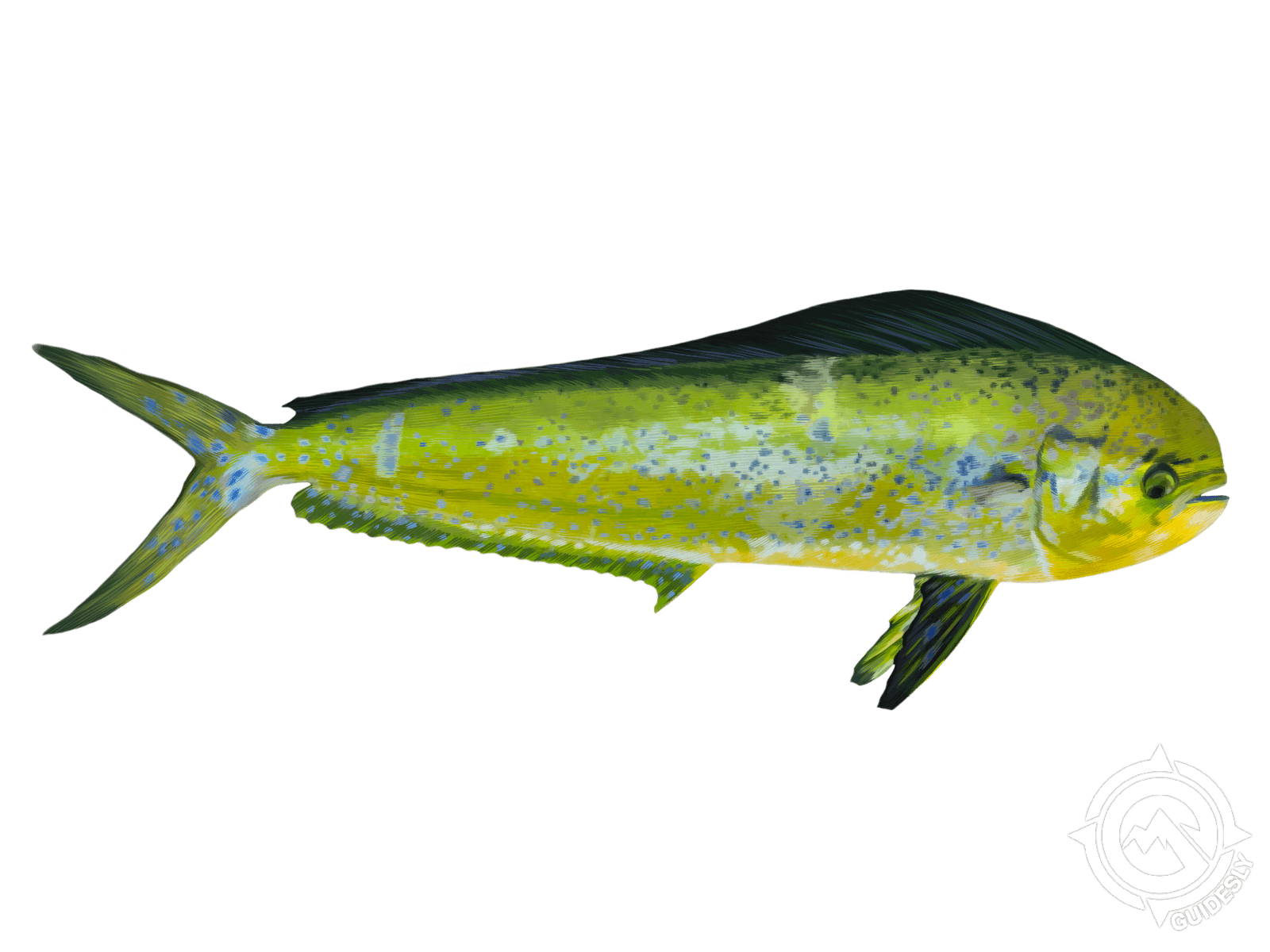
Mahi Mahi (Common Dolphinfish) are the crown jewel of offshore fishing in Marathon. These brilliant gold and green fighters typically show up in good numbers from late spring through early fall, with peak action happening when water temperatures hit the mid-80s. What makes Mahi so exciting isn't just their acrobatic fights – they're schooling fish, so where you find one, you'll often find a dozen. They love floating debris, weed lines, and color changes in the water. A good day on the Mahi can mean non-stop action with fish ranging from schoolie size up to bull Dolphins pushing 30 pounds.
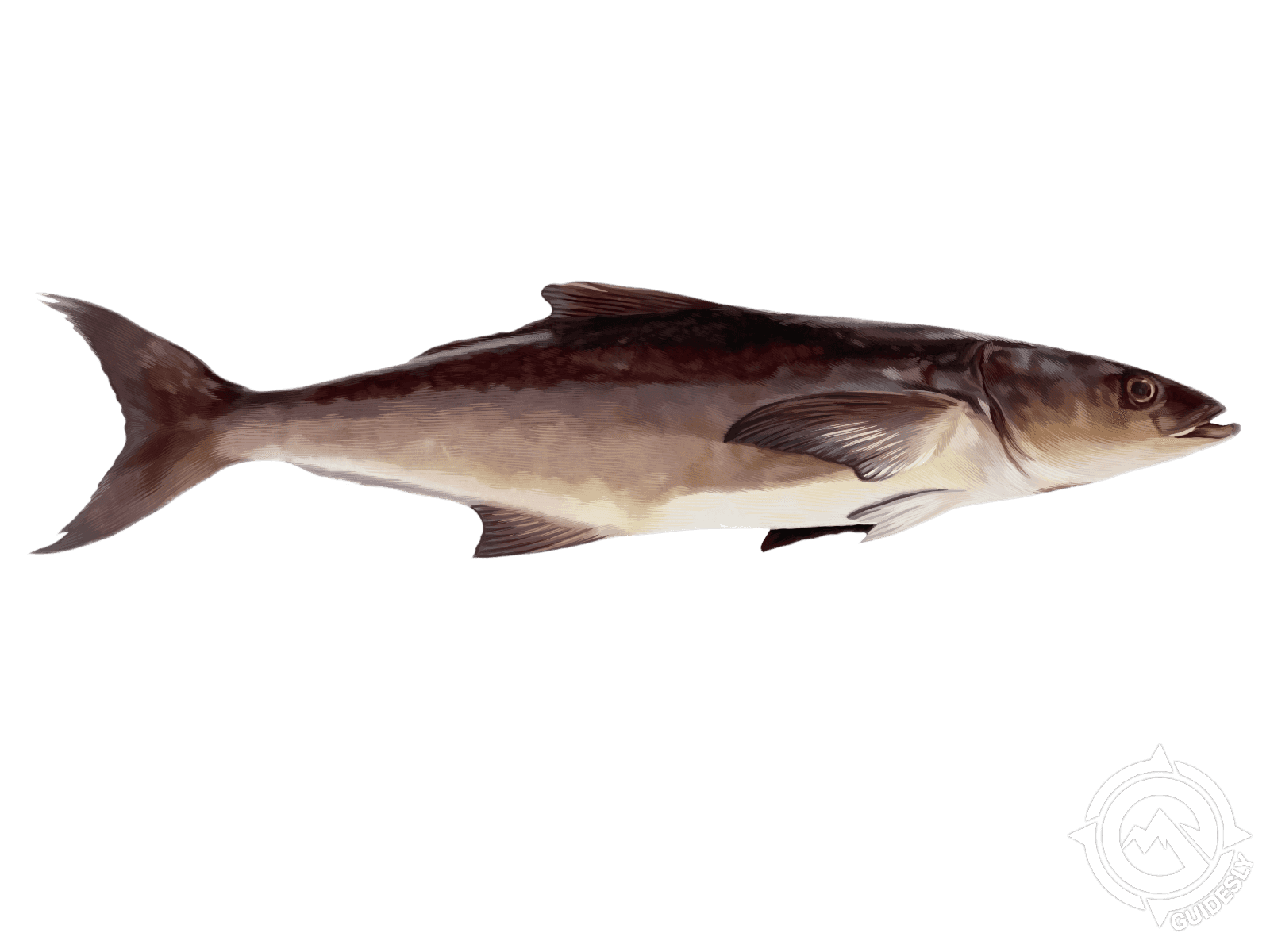
Cobia are one of those species that separate the experienced captains from the weekend warriors. These brown sharks (as some folks call them) are curious, intelligent fish that require patience and finesse. In Marathon, they're most active during the spring migration and again in fall, often found cruising around crab traps, channel markers, and shallow reefs. What makes Cobia special is their size – a typical fish runs 20 to 40 pounds, with monsters over 50 pounds always a possibility. They'll follow the boat, inspect your bait, and test your drag system once they decide to eat.
Swordfish represent the holy grail of deep-water fishing around Marathon. These prehistoric predators live in water over 1,000 feet deep and are typically targeted during specific tidal conditions when they move up in the water column to feed. Landing a Sword requires specialized tackle, technique, and more than a little luck. They're not an everyday catch, but when conditions align and Captain Butch decides to make the run to the deep water, you're fishing for something truly special – a fish that can exceed 100 pounds and provide bragging rights for a lifetime.
Black Grouper are the kings of the reef, and Marathon's coral structure and ledges provide perfect habitat for these bottom dwellers. They're most active during cooler months when they move into shallower water, but can be caught year-round by those who know where to look. What makes Black Grouper challenging is their behavior – they're ambush predators that grab your bait and immediately head for the rocks. You need heavy tackle, sharp hooks, and quick reflexes to turn them before they cut you off. A good Black Grouper will test your equipment and your skills, with fish over 20 pounds being genuine trophies in these waters.
Time to Book Your Spot
This full day fishing experience represents exactly what makes Marathon a top-rated fishing destination. You're getting quality time with an experienced captain who knows these waters inside and out, aboard a boat equipped for whatever the day brings. Whether you're a family looking to create lasting memories or experienced anglers chasing bucket list species, this trip delivers the kind of variety and excitement that keeps customers coming back. Captain Butch recommends calling ahead to learn what's currently biting – fish patterns change with the seasons, tides, and weather, and local knowledge makes all the difference between a good day and an epic one. Don't just fish Marathon – fish it right with a crew that lives and breathes these waters every day.
Learn more about the species
Black Grouper
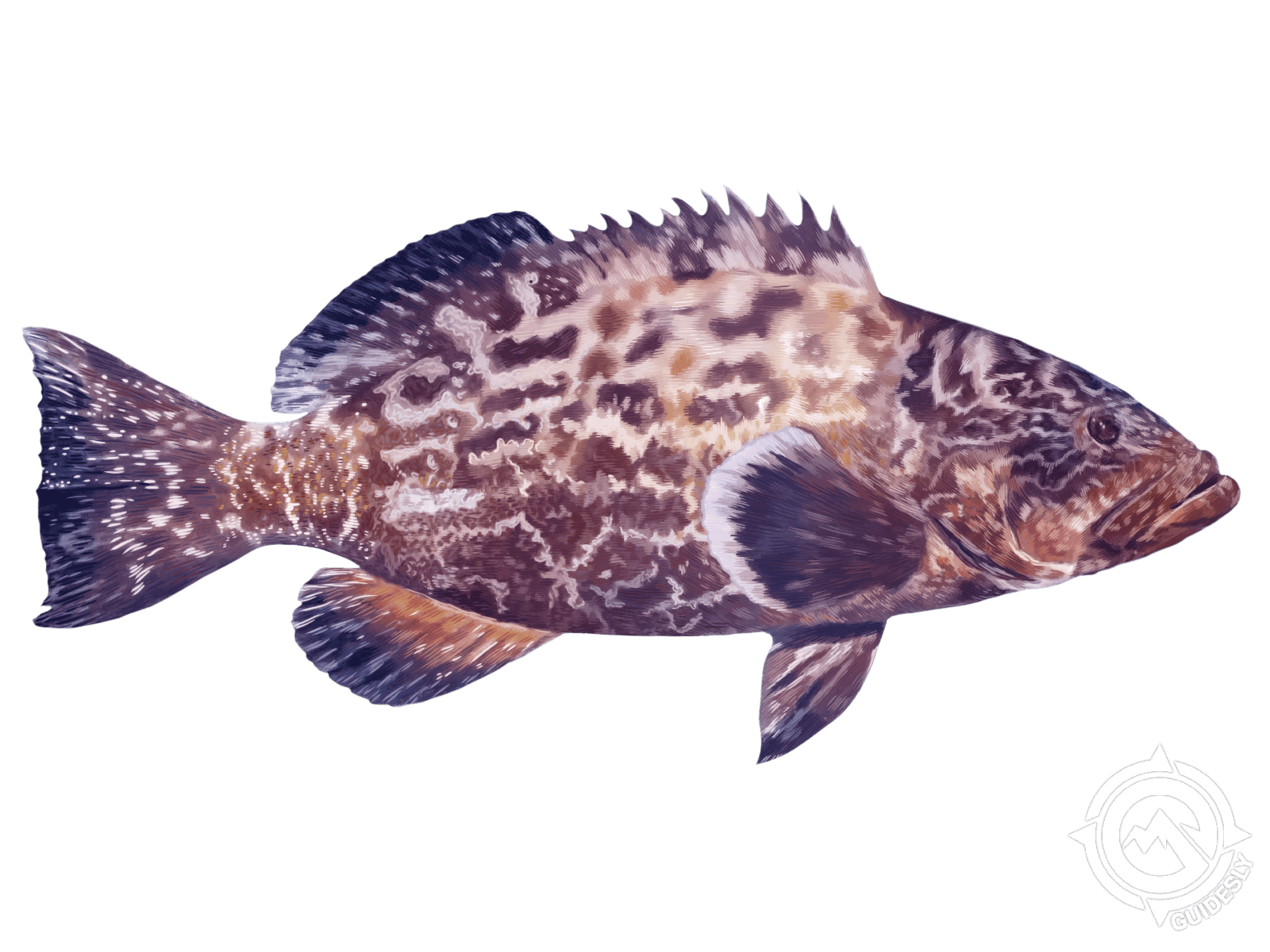
Black grouper are the bulldogs of the reef - stocky, powerful, and built for war. Most run 10-30 pounds around here, though the giants can push 50+. We find them hugging the bottom around reefs, wrecks, and ledges from 30 feet out to 200+ feet deep. Winter months are prime time when they move shallow for spawning. What makes grouper fishing exciting is that sudden thump followed by a freight train trying to get back to the rocks. They're also some of the best eating fish in the Keys - firm, white, and mild. Here's the deal: once you hook one, crank hard and fast. Don't give them time to think or they'll wrap you around the nearest piece of structure. Heavy tackle is a must - 50+ pound braid and a strong drag system.
Cobia
Cobia are the loners of the reef world - big, brown, and often mistaken for sharks with that long dorsal fin. These bruisers average around 30-50 pounds but can push 100+. We target them around reefs, wrecks, and structures in 30-70 feet, especially during their spring migration from March through June. What guests love about cobia is the visual fishing - you'll actually see these fish cruising just under the surface before you cast. They fight hard and make fantastic table fare with meat similar to shark. My go-to tip: use a bucktail jig in any color and work it slow near the bottom. Once you spot one, be patient - cobia are curious and will often circle back for a second look at your bait.
Mahi Mahi or Common Dolphinfish
These colorful fighters average 15-29 pounds and put on quite a show with their golden sides and electric blues. We find them around floating debris, weedlines, and current breaks in the deeper offshore waters. Spring through fall gives us the best action when they're feeding actively on flying fish. What makes mahi special is that amazing color display when they come to the boat - they literally light up like a rainbow before fading. Plus, they're some of the best eating fish in the ocean with that firm, sweet meat. Here's a local trick: when you hook one, keep your eyes peeled for others nearby. Mahi often travel in small groups, so where there's one, there's usually more waiting for a bait.
Swordfish
Swordfish are the giants of the deep that separate serious anglers from weekend warriors. These prehistoric-looking beasts average 9 feet and 400 pounds, living in depths of 1,000+ feet during the day. Night fishing from spring through fall gives us the best shots when they move up to feed around 300 feet. What makes swordfish special is that flat bill and the epic battle - these fish can hit 60 mph and fight for hours. The meat is outstanding too, similar to mahi but meatier. Success comes down to heavy tackle, lots of lights, and patience. My local secret: use a whole squid on a 10/0 hook with a 24-32 ounce weight. Drop it deep, keep those lights glowing, and be ready for the fight of your life when that rod doubles over.
About the 27 ft Conch
%2F%2Fusers%2F66f6ecdc-0106-42f2-b869-7009a1aec323%2Fvehicle_picture%2F638388496_1325041372977992_5411588017369761640_n-picsart-aiimageenhancer-mmcvzcg3.jpg&w=1920&q=75)
Vehicle Guest Capacity: 6
Manufacturer Name: Yamaha
Maximum Cruising Speed: 50
Number of Engines: 2
Horsepower per Engine: 300